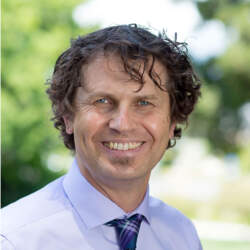
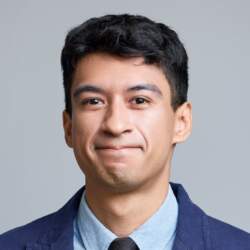
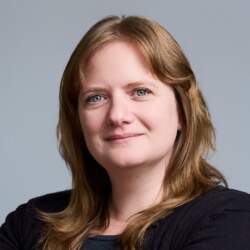
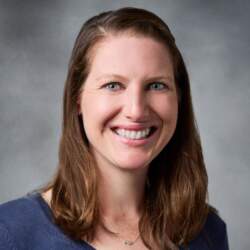
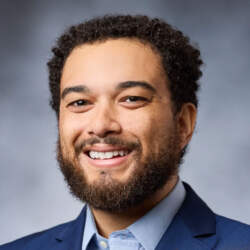
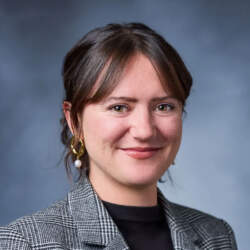
This Fall we are welcoming Dr. Jacek Skarbinski as a new DSF scientific mentor. He will be working with incoming fellow Jorge Ledesma, who received his PhD in Epidemiology from the Brown University School of Public Health where he studied topics including health systems’ pandemic preparedness and the global challenge posed by tuberculosis.
Dr. Skarbinski is a research scientist at the Kaiser Permanente Division of Research and a practicing infectious diseases and HIV medicine specialist at Kaiser Permanente, Oakland Medical Center. In addition, he serves as the Assistant Program Director of the Kaiser Permanente Northern California HIV Fellowship. He is part of The Permanente Medical Group Physician Researcher Program. Before joining The Permanente Medical Group in 2016, Dr. Skarbinski served with the Centers for Disease Control and Prevention (CDC) in various epidemiology and leadership roles. His CDC research addressed the epidemiology, diagnosis, treatment and prevention of infectious diseases with a focus on malaria, HIV, and tuberculosis. His current research interests include clinical trials, observational studies, and implementation science in a broad range of infectious diseases including HIV, tuberculosis, and COVID-19. We recently caught up with Dr. Skarbinski to learn more about his work.
How do you view your role as a scientific mentor?
I have worked in many different capacities and different settings throughout my career and I strive to work with my mentees to find the right fit for their career. The core skills for any career include developing a depth of subject matter expertise as well as robust methods that can be applied in different settings. Throughout the two years we will focus on core skills as well as some soul searching to define the next best step in the mentee’s professional life.
What is the importance of Delivery Science in infectious diseases research and clinical care?
Infectious diseases is a very diverse field with a lot room for improvement in clinical care delivery. For example, our work on latent tuberculosis infection screening and treatment programs mirrors other disease screening programs such as colon cancer screening. However, our work on reducing infectious complications in patients with acute myeloid leukemia is focused on a very high risk population undergoing very intensive inpatient care. The diversity of clinical care settings and types of problems we engage this makes this is a very impactful and engaging field.
What do you like to do outside of work?
I have three teenage kids (ages 12, 14, 16) and I love spending time with them. They keep me on my toes at all times. I also love all outdoor activities and spend time hiking, skiing, surfing, climbing and whatever else I can think of that is not inside.
Anything else you would like our readers to know?
The DOR is an incredible place to work and our ability to conduct high quality research and implement practice change in our large health system is very rewarding. I am thrilled to have our Delivery Science Fellows share in that joy.
|