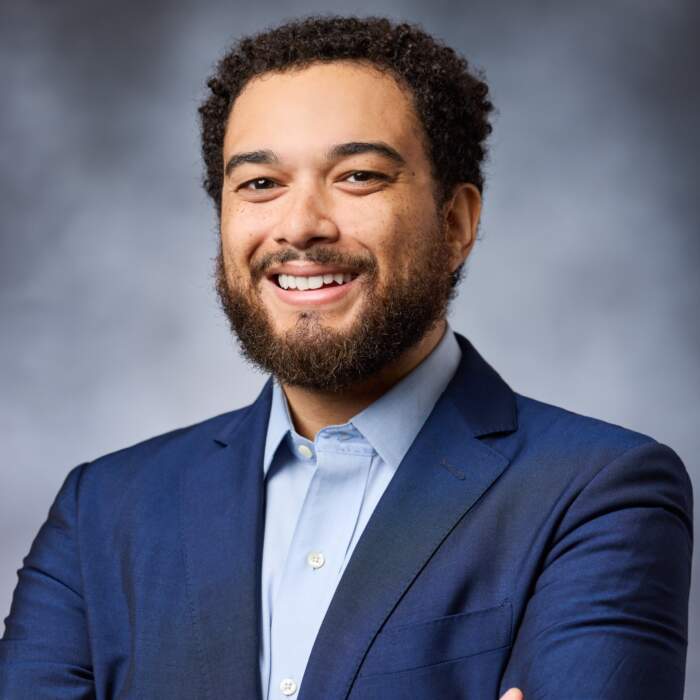
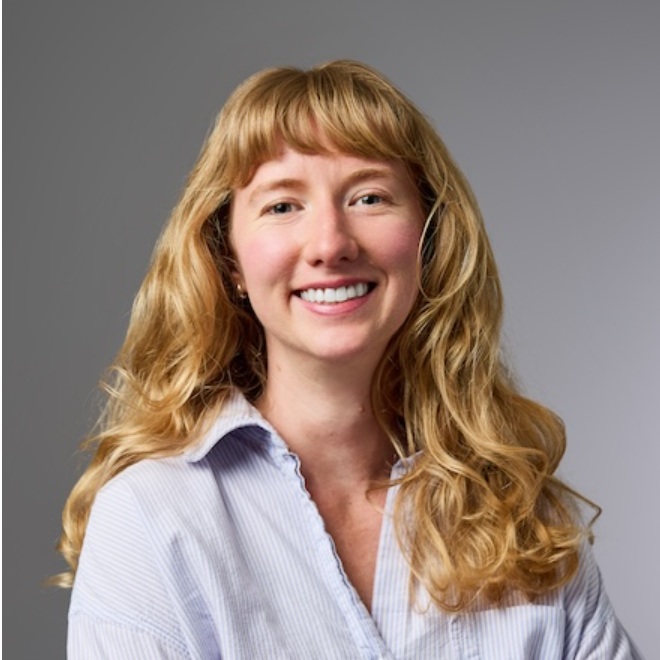
We caught up with Aaron Tierney, PhD, who completed the DSF as an informatics fellow in 2024. At KPNC, Aaron applied his doctoral training in health policy and implementation science to work evaluating technology access and impacts for patients and clinicians.
What have you been up to since completing the Delivery Science Fellowship?
In 2026, I started my position as a Healthcare Delivery AI Evaluation Architect at Sutter Health, a large California health care system. While a fellow at KP, my research was at the intersection of clinical informatics, implementation science, and health equity. My work helped evaluate the impacts of AI scribes on clinical workflows, and I studied the potential for telehealth to foster better health care access. My current work carries all of these themes forward with a specific focus on generative AI tools.
How do you think about Delivery Science in your current work (if at all)?
Delivery science permeates all aspects of my work. To be successful, I have to work with and consider the needs of all stakeholders including health system leadership, clinicians, patients and their caregivers, and our informatics and IT teams. Only by considering all of these perspectives is it possible to deploy AI tools that are useful, enhance job and care experience, improve population health, and ensure that health systems view their investment as cost effective.
What are 1 or 2 things you learned during your fellowship that you still think about or find helpful?
The DSF provided my first experience evaluating a generative AI tool contracted through an external vendor. This was also my first time collaborating with such a variety of stakeholders while producing rigorous evaluations in abbreviated time frames compared to typical research timelines (weeks or months as opposed to years). These skills have been foundational for me and have truly changed my life and empowered me to do the work I am most passionate about: responsibly integrating technology into healthcare in a way that improves the lives of patients and clinicians, while avoiding perpetuating gaps and inequities that often result from differences in access to technology by a variety of demographic factors. I am also able to perform this work in a way that generates change in real time as my work informs decision makers deciding on the next steps for generative AI deployment across a variety of use cases.
What do you like to do outside of work?
My son just turned two in September, and I love playing and doing activities together with him and my wife — we just had a great trip to the California Academy of Sciences, only increasing his obsession with dinosaurs. Outside of parenting, I have a long-running hobby of brewing specialty coffee, playing video games, and cooking. My wife and I started a new garden and have been growing our own herbs, tomatoes, cucumbers, eggplants, bell peppers, lettuce, poblanos, strawberries, and snap peas.
What advice would you offer early-stage investigators who want their work to meaningfully impact care delivery?
If possible, seek out opportunities to partner with operational stakeholders. These collaborations help ensure your work remains practical, relevant, and responsive to the needs of patients, clinicians, and the health system, while maintaining the scientific rigor we are all trained to uphold. They can also create opportunities for high-impact research that directly informs and improves care delivery, often leading to future collaborations on research and evaluation projects. In addition, addressing immediate operational priorities can provide access to valuable data, resources, and funding that support more in-depth, long-term studies.
Connect with Aaron and follow updates on his work.
|