

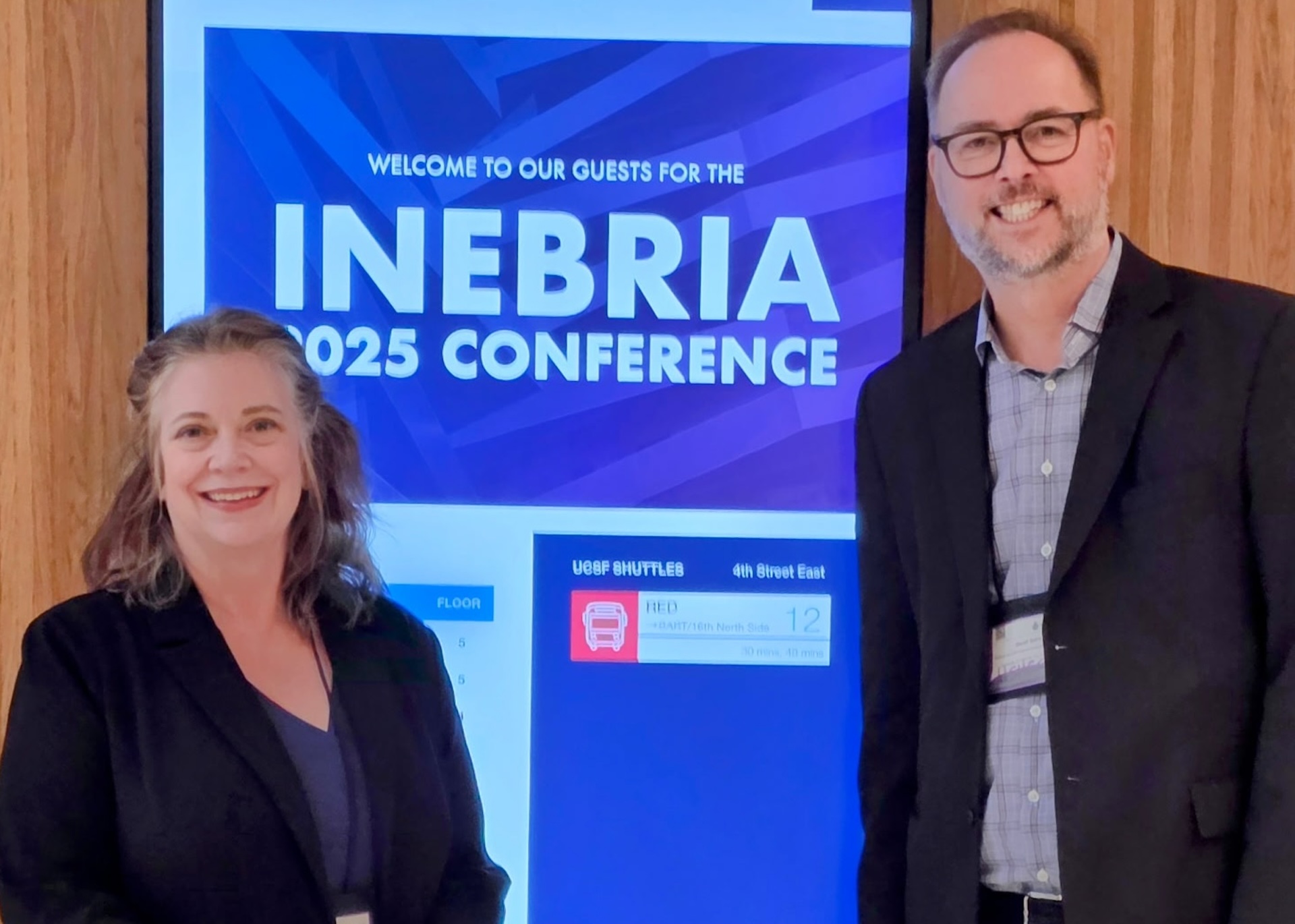
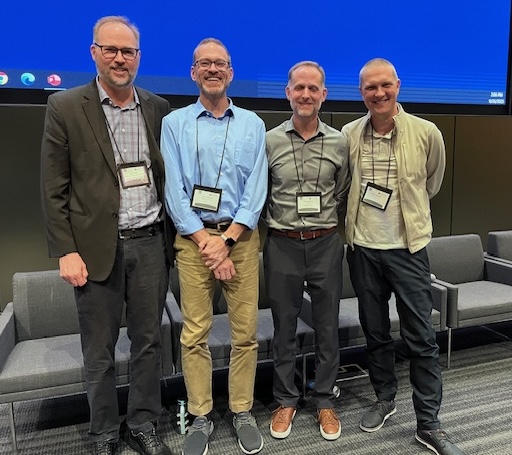
Stacy Sterling, Derek Satre (above) and team hosted a three-day conference on brief interventions using motivational interviewing
When someone’s alcohol or drug use is causing problems in their life, a brief intervention based on motivational interviewing — a non-judgmental listening and conversational technique — can be extremely helpful.
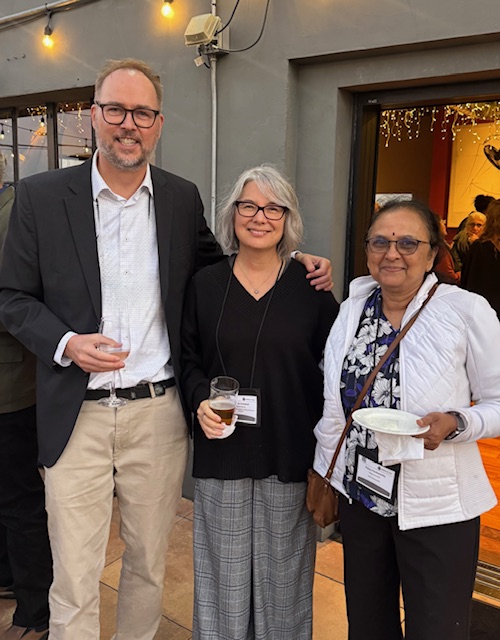
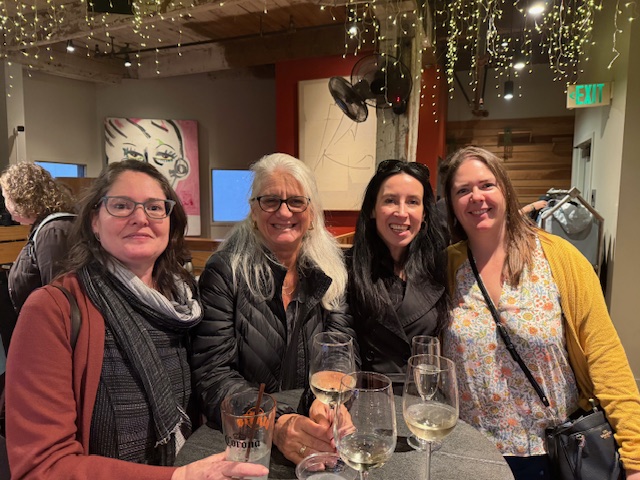
There is a scientific society devoted to researching the best ways to use brief intervention and how well it works in different settings — from health care to schools to worksites to the justice system — and with different types of patients. That group, the International Network on Brief Intervention for Alcohol or Other Drugs, or INEBRIA, held its annual meeting at the UCSF Nancy Friend Pritzker Psychiatry Building in San Francisco on September 24-26, 2025. More than 130 researchers from around the world attended.
While there are other scientific organizations devoted to the wider topics of substance use diagnosis and treatment research, INEBRIA is the only one focused specifically on brief intervention, said co-organizer Stacy Sterling, DrPH, MSW, MPH, DOR research scientist and co-director of the Center for Addiction and Mental Health Research.
“Brief intervention is a non-judgmental, patient-centered motivational interviewing technique that has been recognized for its value in preventing or reducing problem substance use and the health and social risks that accompany it,” Sterling said. “Continued research is vital to broadening its use so we can reach more people who need help managing their substance use.”
Highlights of the conference included:
- A keynote lecture by William Miller, PhD, the co-developer of the motivational interviewing technique, who studies the treatment and prevention of addictions and psychology of change. Miller is a professor emeritus of psychology and psychiatry at the University of New Mexico, and affiliated with its Center on Alcoholism, Substance Abuse, and Addictions. (see his talk on YouTube)
- A pre-conference educational day on digital interventions in substance use intervention and treatment. This is largely focused on telehealth and other remote treatment options between mental health practitioners and patients.
Derek Satre, PhD, with Jason Satterfield, PhD (UCSF), Steve Ondersma, PhD (Michigan State University), and Marcus Bendtsen (Linköping University) - Two days of panels and presentations on the latest research on such topics as cost effectiveness of brief interventions, opioid use intervention, and care of vulnerable groups such as adolescents, pregnant people, and hospitalized patients. Panels also addressed technology and substance use interventions, such as use of AI chatbots and digital screening.
- A panel of local and regional policymakers on substance use problem prevention and early intervention strategies.
The complete agenda is available online.
“This research is really timely given the growing awareness of how alcohol and drug use, even at relatively low levels, can negatively impact physical and mental health,” said meeting co-organizer Derek Satre, PhD, professor at the UCSF Department of Psychiatry and Behavioral Sciences and DOR adjunct investigator. “The conference is also a great opportunity to bring together researchers from around the world who are studying how to maximize the impact of brief interventions.”





Comments (0)