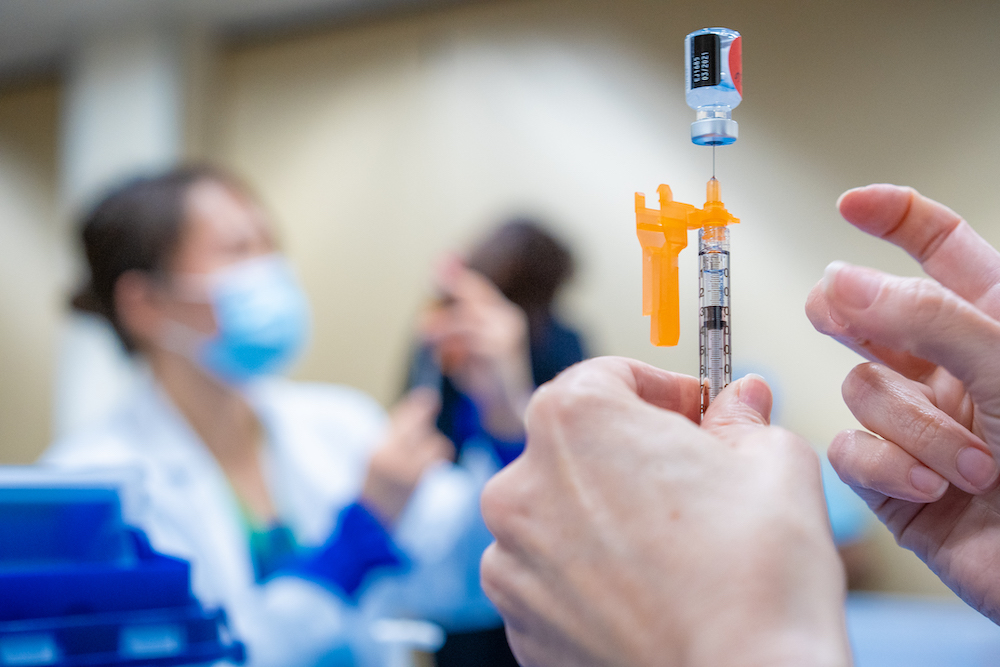
No serious health effects linked to mRNA COVID-19 vaccines
Federal and Kaiser Permanente researchers combing the health records of 6.2 million patients found no serious health effects that could be linked to the 2 mRNA COVID-19 vaccines.


Federal and Kaiser Permanente researchers combing the health records of 6.2 million patients found no serious health effects that could be linked to the 2 mRNA COVID-19 vaccines.
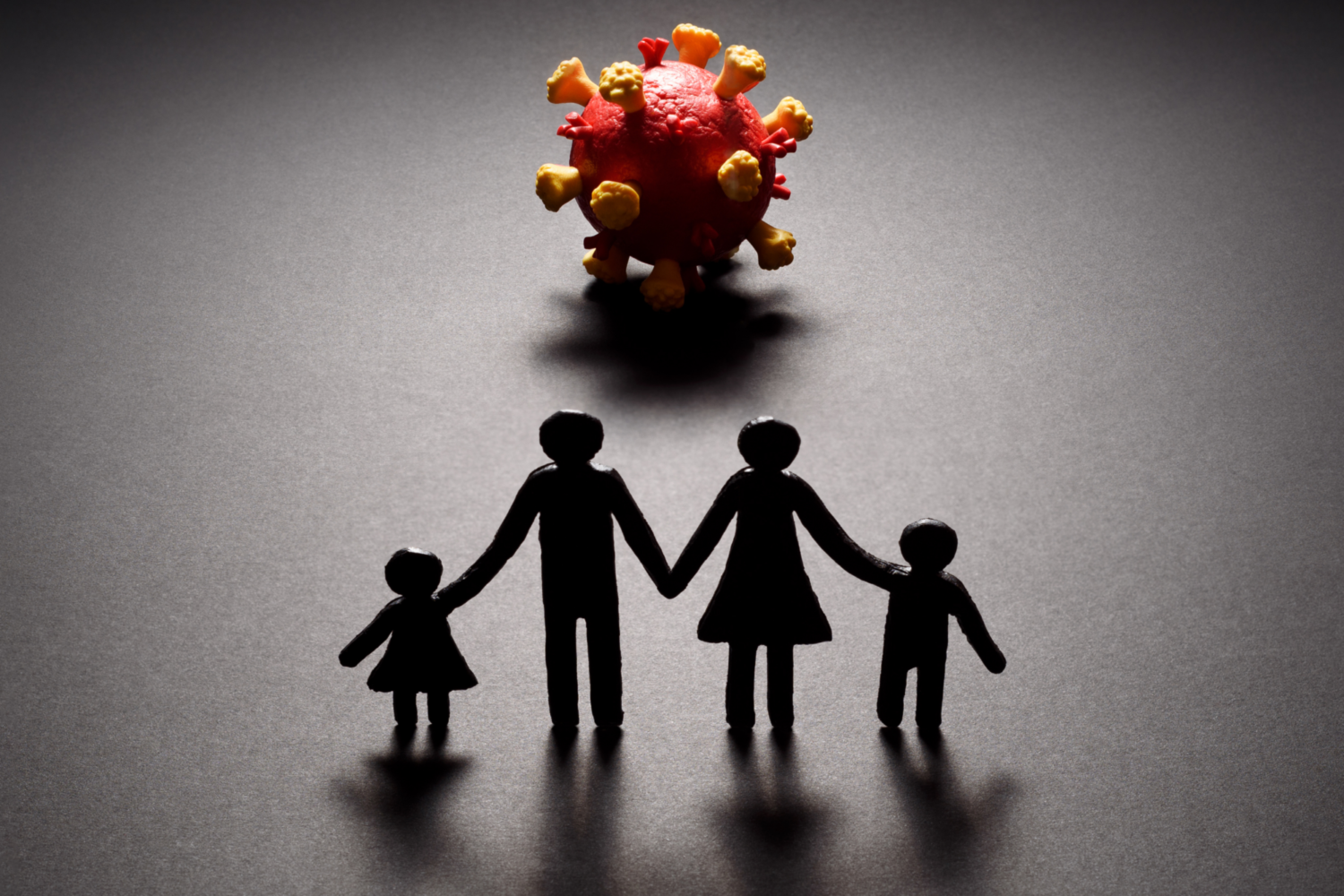
New Kaiser Permanente study suggests working and living conditions may be key contributors to disproportionate impact of COVID-19 in communities of color.

Being vaccinated against COVID-19 during pregnancy provides protection for the baby through its first several months of life, a Kaiser Permanente analysis finds. Protection was stronger against the delta variant than the more recent omicron variant.

A medication used to treat HIV and to prevent at-risk people from contracting the virus may improve COVID-19 outcomes for both groups, according to research from Kaiser Permanente published in Clinical Infectious Diseases.

A unique Kaiser Permanente study confirms the safety of using blood donated from people who have been vaccinated against or who have had COVID-19.

Division of Research
4480 Hacienda Drive
Pleasanton, CA 94588
Privacy Policy | Terms and Conditions | Your Privacy Choices
Follow us on these external social media sites that will open in a new browser window.
© 2026 Kaiser Permanente Division of Research