


Kaiser Permanente study finds patients contacted by a pharmacist were more likely to have diabetes treatment modified to help keep blood sugar levels from dropping too low
For people with type 2 diabetes, the primary goal is to keep blood sugar levels from getting too high. But when blood sugar levels get too low — a condition called severe hypoglycemia — potentially life-threatening health problems can also occur.

Some diabetes treatment regimens may inadvertently increase hypoglycemia risk, especially in older patients. New Kaiser Permanente research shows that a clinical pharmacist with diabetes management expertise who contacts patients to discuss hypoglycemia and alternative treatment options can effectively move patients on to safer treatment regimens. The study is believed to be the first clinical trial to look at a proactive, pharmacist-led intervention to reduce diabetes medication risk in older adults.
“Uncontrolled diabetes is a dangerous disease, and as physicians we primarily focus our attention on making sure people’s blood sugar levels are not too high,” said lead author Lisa K. Gilliam, MD, an adjunct investigator with the Kaiser Permanente Division of Research (DOR) and an endocrinologist with The Permanente Medical Group (TPMG). “But we also need to look at the flip side of the coin. We conducted this study because hypoglycemia typically gets less attention in the care of type 2 diabetes patients, but it can be dangerous, especially in older adults.”
The clinical trial, published in JAMA Network Open, included 191 patients with type 2 diabetes who were at high risk for hypoglycemia, or who were at intermediate risk but had recently required emergency care for hypoglycemia and were on a sulfonylurea, a commonly used diabetes medication that can increase risk for hypoglycemia.
The patients were randomized into two groups. One group continued with their usual care. The patients in the other group were contacted by a pharmacist who offered to discuss their diabetes treatments. If the patient was interested, the pharmacist used an evidence-based, hypoglycemia-prevention algorithm, called Hypoglycemia on a Page, to review their current medications and offer safer treatment options. The pharmacist also provided education on hypoglycemia and set individualized glycemic targets. Patients spoke with the pharmacist 3 times, on average.
. . . hypoglycemia typically gets less attention in the care of type 2 diabetes patients, but it can be dangerous, especially in older adults.
— Lisa Gilliam, MD
When the study began, 74% of the patients in both groups had treatment regimens that included medications that could increase their risk for hypoglycemia. Only about 4% had a prescription for glucagon, an injection used for the emergency treatment of severe hypoglycemia. At the end of the trial, 27 (28%) of the patients the pharmacist contacted were on a safer diabetes regimen compared with 15 (15.8%) who received usual care. In addition, 16 (16.7%) patients the pharmacist contacted received a prescription for glucagon, compared with 5 (5.3%) who received usual care.
The pharmacist made treatment regimens safer by discontinuing bolus insulin in 31 (73.8%) patients, sulfonylurea in 12 (28.6%) patients, and mixed insulin in 3 (7%) patients. Some patients discontinued more than one therapy. Most of these patients were switched to longer-acting insulin, which reduces risk for hypoglycemia.
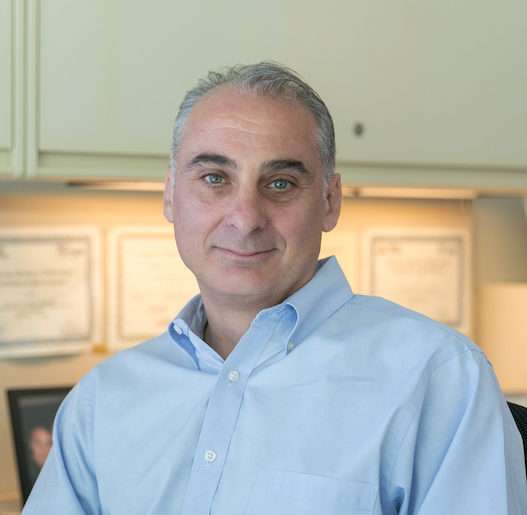
“Many of the patients whose regimens were changed were older adults, and diabetes is often just one of their health problems,” said senior author Richard Grant, MD, MPH, a DOR research scientist and the TPMG regional director of Research and Evaluation for Complex Needs. “Also, many older adults have been on the same diabetes treatment regimen for some time. But people change as they get older, and the regimen that was right for them when they were younger might not be the one that is right for them now.”
The researchers found that 6 months into the study, none of the patients who spoke with a pharmacist experienced a hypoglycemia-related medical emergency compared with 5 (5.3%) of the patients who received usual care. Patients in both groups demonstrated a similar ability to keep their blood sugar HbA1c — their average blood sugar level in the prior 2-3 months — under 8%.
The findings suggest pharmacists can play a key role in the International Geriatric Diabetes Society’s Deprescribing Consensus Initiative to reduce the use of hypoglycemia-prone diabetes medications.
“This is the type of trial that could only be done in a place like Kaiser Permanente,” said Grant. “We had the ability to identify patients at high risk for hypoglycemia, make their primary care team aware they would be contacted for this study, and then have a pharmacist who specializes in diabetes review their medical record, educate them about their risk for hypoglycemia, and help them revise their treatment regimen to reduce that risk.”
Added Gilliam, “It’s exciting that were able to show that this is an effective approach to reducing this important risk for patients without compromising quality of care.”
The study was funded by The Permanente Medical Group Delivery Science Research Program.
Co-authors include Melissa M. Parker, MS, and Andrew J. Karter, PhD, of the Division of Research, and Minnie W. Chen, PharmD, of The Permanente Medical Group.
###
About the Kaiser Permanente Division of Research
The Kaiser Permanente Division of Research conducts, publishes, and disseminates epidemiologic and health services research to improve the health and medical care of Kaiser Permanente members and society at large. KPDOR seeks to understand the determinants of illness and well-being and to improve the quality and cost-effectiveness of health care. Currently, DOR’s 720-plus staff, including 73 research and staff scientists, are working on nearly 630 epidemiological and health services research projects. For more information, visit divisionofresearch.kp.org.




Comments (0)