

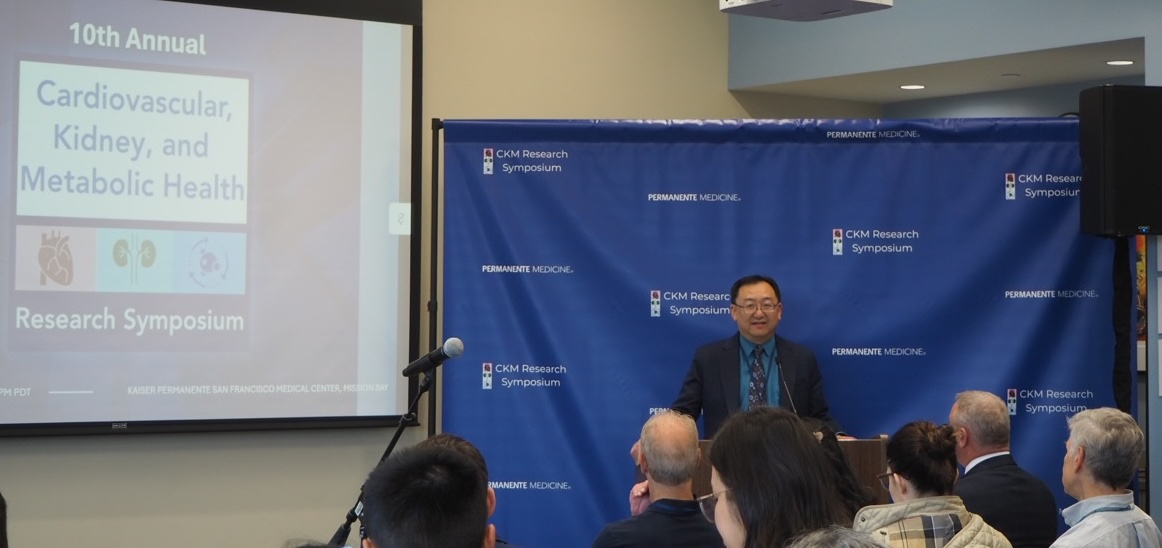
Tenth annual meeting hosted by the Division of Research and The Permanente Medical Group drew participants from many Kaiser Permanente Northern California service areas
More than 185 researchers and clinicians from across Kaiser Permanente Northern California gathered on May 10 for the 10th Annual Kaiser Permanente Northern California Cardiovascular, Kidney, and Metabolic Health Research Symposium, co-hosted by the Division of Research (DOR) Cardiovascular, Kidney, and Metabolic Health (CKM) section and The Permanente Medical Group (TPMG) Cardiac and Nephrology Service Lines.
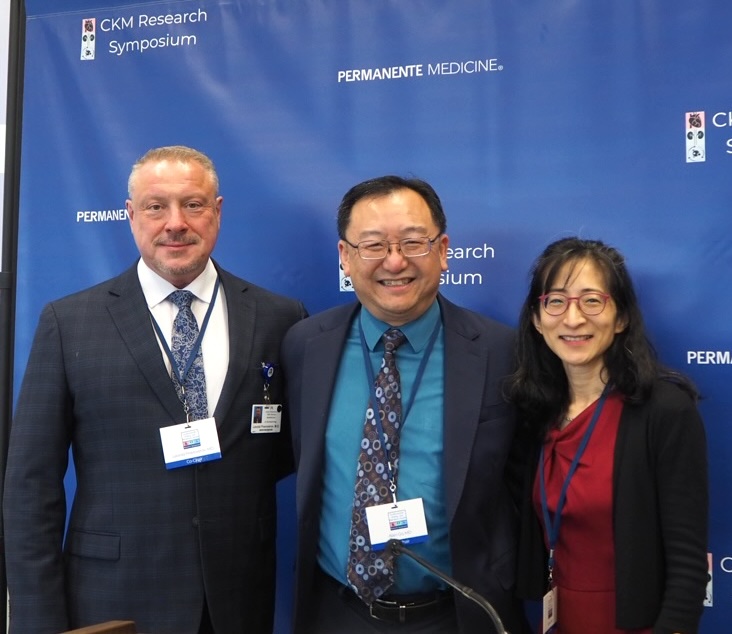
The 2026 meeting, held for the first time at Kaiser Permanente San Francisco, Mission Bay, provided an opportunity for participants to learn more about the connections among cardiovascular, kidney, and metabolic health conditions. It also challenged them to think about the various ways research can inform the high-quality, integrated care these patients require.
“A multidisciplinary approach is necessary to answer critical scientific and medical questions and improve evidence-based clinical care,” said symposium chair Alan Go, MD, a DOR research scientist and the associate director for the CKM section. “Our integrated care model positions us to be leaders in this field, and this symposium provides an opportunity for us to share the research we have done and to envision new paths forward.”
The conference opened with introductory remarks from nephrologist and co-chair Leonid Pravoverov, MD, physician leader for KP National Kidney Services, cardiologist and co-chair Ivy Ku, MD, regional medical director for TPMG Cardiac Services, Rachel Ramoni, DMD, ScD, director of the Division of Research, and Doug Corley, MD, PhD, chief research officer for TPMG.
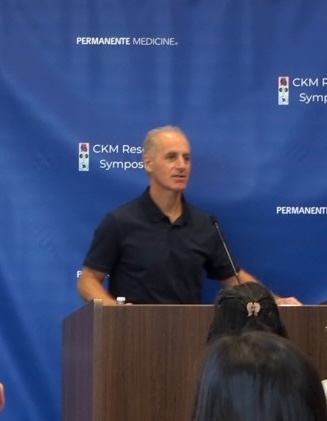
“It is so important that we are here to celebrate a decade of work produced by the researchers and clinicians who drive our DOR CKM Research Section,” said Ramoni. “Everyone here knows, this is not a zero-sum game. It’s not clinical care versus research, because when this work is done well, research and clinical care work hand in hand to deliver the best care that we can today at scale and to envision the care that we will provide tomorrow.”
Dariush Mozaffarian, MD, DrPH, the inaugural director of the Food is Medicine Institute at Tufts University, kicked off the symposium with a keynote address on the role nutrition can play in the re-imagining of primary and secondary prevention of CKM disease.
“Poor nutrition is the single top modifiable risk factor for health, and it’s been largely ignored in medical training and by health care providers,” Mozaffarian explained. “Food is Medicine is an approach that perceives healthy food as both a means of prevention and treatment and puts a focus on celebrating healthy food and providing more healthy food to the populations that can benefit most.”
The breadth of CKM research
The symposium’s morning sessions introduced the depth and breadth of the CKM research underway at KPNC. First, cardiologist Seema Pursnani, MD, MPH, assistant program director of the Kaiser Permanente Santa Clara Internal Medicine Residency, discussed her research on methods for optimizing care and reducing disparities for women with cardiovascular disease. She was followed by interventional cardiologist Emily Perdoncin, MD, co-director of the KP San Francisco Structural Heart Program, who presented early findings from KP-VALOR, a study designed to identify patients at increased risk of premature structural valve deterioration.
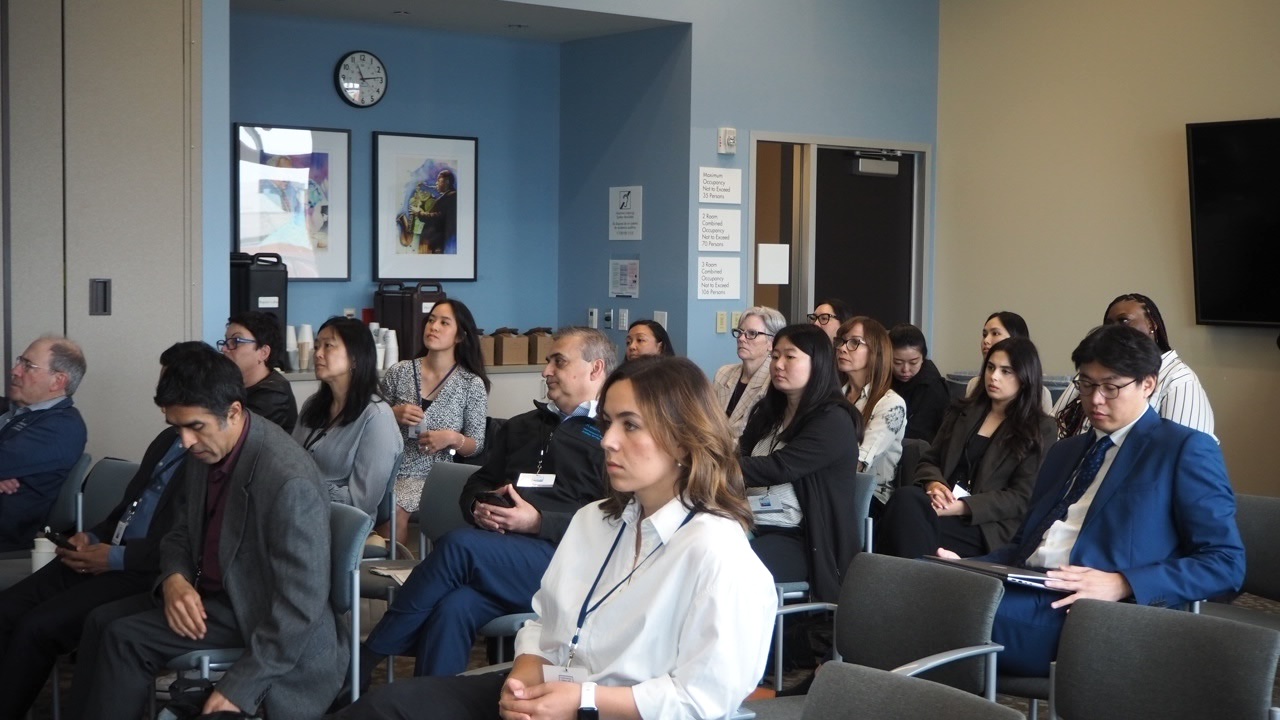 Next, cardiologist Ashok Krishnaswami, MD, a DOR adjunct investigator and the chief of cardiology at KPNC in San Jose, discussed connections among frailty, cognition, and adverse cardiovascular events in older adults.
He was followed by Stacey Alexeeff, PhD, a DOR research scientist and biostatistician, who discussed environmental exposures and cardiovascular risk using insights collected from the PANACHE (Pacific Islander, Native Hawaiian and Asian American Cardiovascular Health Epidemiology) study.
For the final morning session DOR Research Scientist and endocrinologist Joan Lo, MD, and Tressie Costantino, BS, a DOR research specialist and graduate student in nutritional science, presented an engaging, practical, and delicious lifestyle medicine interactive demonstration that echoed the theme of the keynote presentation: eat real food.
Making the connections
TPMG vascular surgeon and DOR research scientist Vivian Thuy Ho, MD, MS, started the afternoon session with a presentation on use of machine learning to optimize the diagnosis and management of patients with peripheral artery disease. She was followed by DOR research scientist and TPMG cardiologist Andrew Ambrosy, MD, MPH, who presented findings about kidney dysfunction and damage with cardiovascular risk from the VANTAGE CKD study.
DOR adjunct investigator and nephrologist Ali Poyan Mehr, who directs the TPMG Regional Glomerular Disease Program, discussed the cardiometabolic complications these patients experience, noting that they are more likely to die from cardiovascular conditions than kidney failure. Symposium co-chair Pravoverov ended the session discussing the need and challenges for health care systems to adopt methodologies that will help them integrate and improve care for CKM patients.
Next, a trainee and fellow showcase highlighted the high-level medical education-sponsored research conducted within KPNC. The first 2 presentations were by residents Brendan Seto, MD, — who discussed CKM syndrome in adolescents with overweight and obesity, work he presented at an American Heart Association meeting — and Bryan Kim, MD, who discussed race and ethnicity differences in coronary artery calcium levels, work previously presented at an American College of Cardiology meeting.
The final two presenters were fellows Matthew Bauer, MD, who discussed aortic stenosis surveillance guideline concordance and outcomes, and Sandhiya Ravichandran, MD, who presented data on implications of different definitions of heart failure with improved ejection fraction from the IMPROVED HF study, work she will be presenting at a European Society of Cardiology meeting.
The symposium closed with a multidisciplinary panel discussion that included TPMG chair of endocrinology chiefs Hasmik Arzumanyan, MD, TPMG interventional cardiologist Edward McNulty, MD, TPMG internist and lifestyle medicine specialist Emilie Muelly, MD, nephrologist Ajit Mahapatra, MD, and endocrinologist Mehreen Khan, MD, the TPMG regional medical director for population care.
The breadth of experience and expertise the panelists brought to the discussion and their lively conversation grounded the challenges and opportunities KPNC and other health systems face as they work toward integrating CKM care across specialties.
“One of the notable things that distinguishes TPMG and KPNC is that discovery and care happen together at scale,” said Go. “This year’s symposium provided an important opportunity for our researchers in partnership with our physicians and care teams to engage in the discussions that will help us design and implement the types of cardiovascular, kidney, and metabolic health research studies that will be most impactful for the millions of KPNC members we care for.”
Click here to view a slideshow of the Symposium.





Comments (0)