

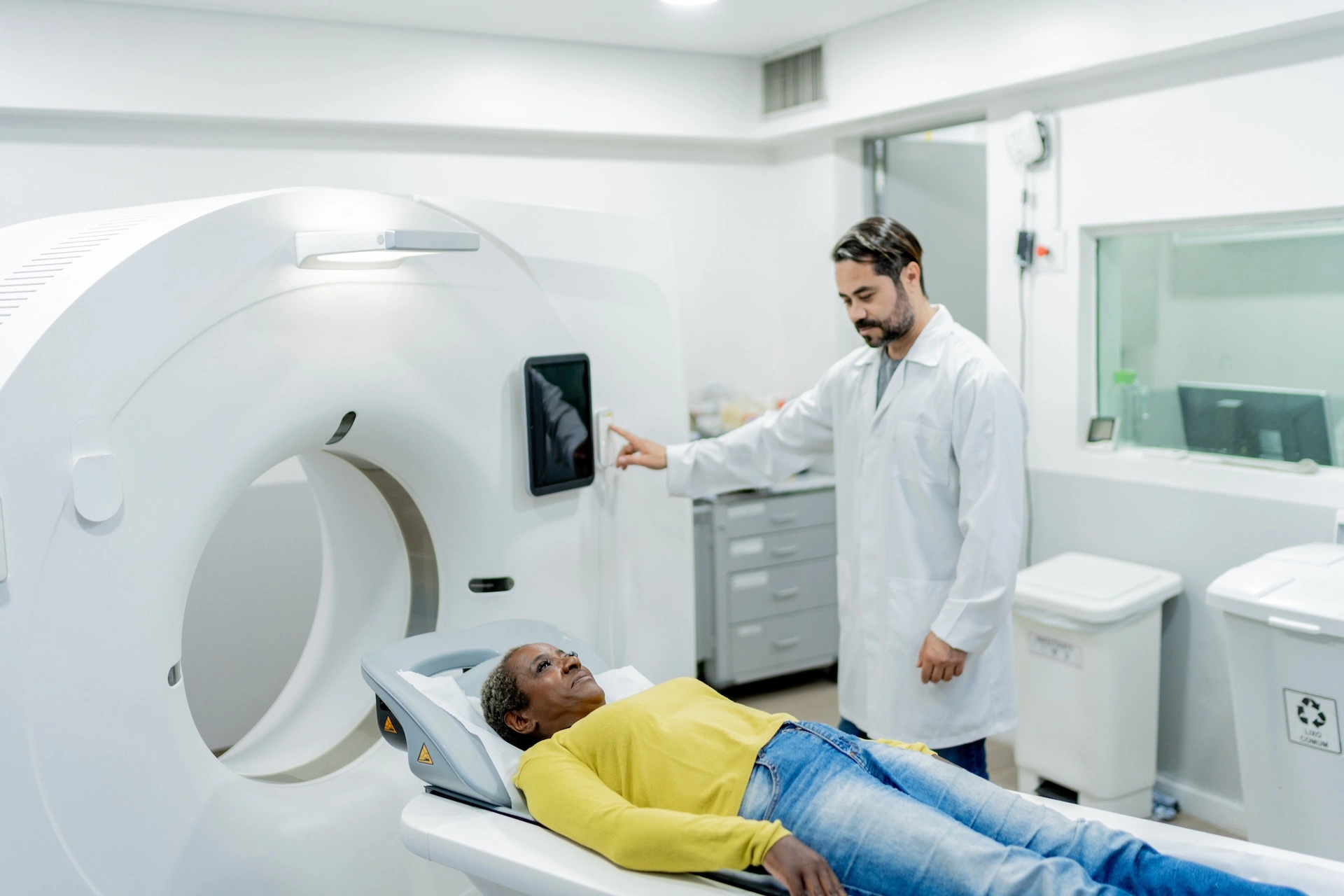
New study also highlights need to increase awareness of trials among patients who have lower incomes, are non-English speakers, or live in less populated areas
Patients enrolled in Kaiser Permanente Northern California (KPNC) oncology trials closely mirrored the racial and ethnic makeup of both its cancer patients and the Northern California counties it serves, a new study found.
Previous studies have shown that racial and ethnic minorities are often underrepresented in clinical trials.
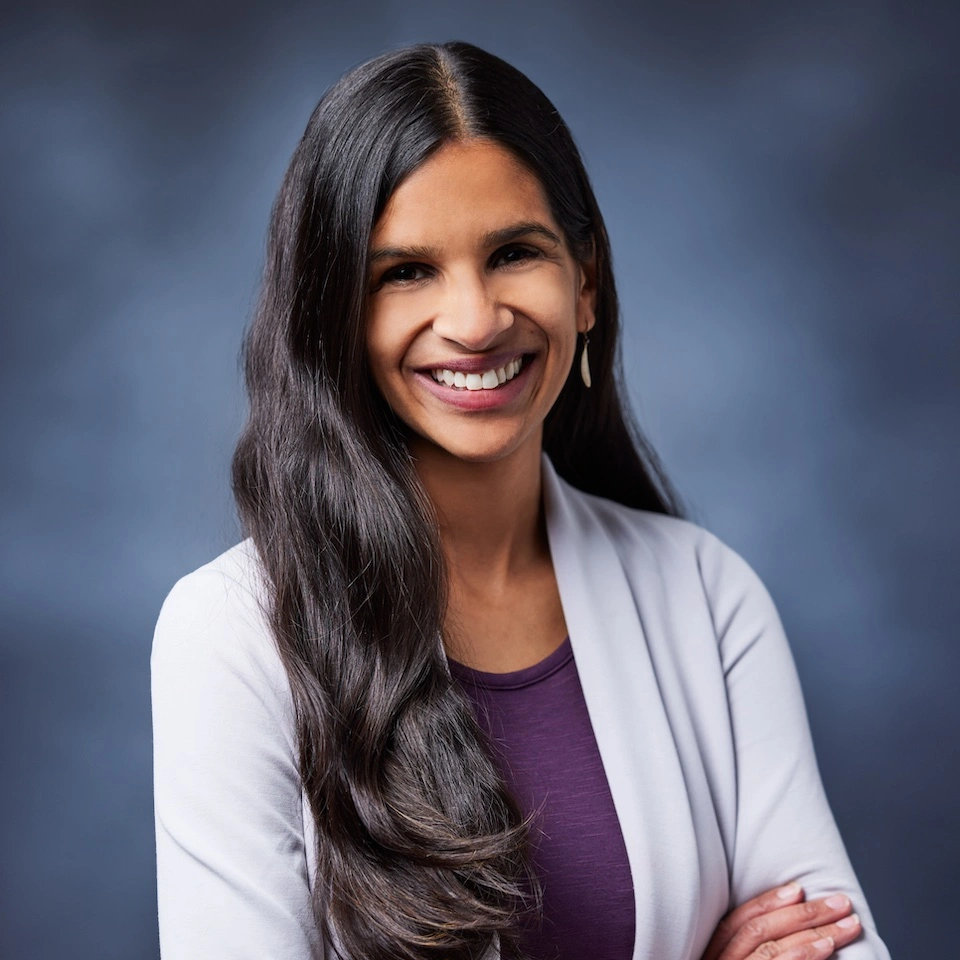
“Most of these studies looked at patients seen in academic medical centers,” said lead author Meera Ragavan, MD, MPH, a research scientist at the Kaiser Permanente Division of Research and oncologist with The Permanente Medical Group. “I thought it was important that we look at whether Kaiser Permanente and its integrated system fostered an environment that would lead to more representation of racial and ethnic minorities — and it was exciting to find that it does.”
The study, published in JAMA Network Open, analyzed data from the KPNC cancer registry. It focused on the 98,000 KPNC members who were treated for any type of invasive cancer from 2015 to 2022. The researchers found Black patients made up 6.8% of the patients in the registry and 6.5% of trial enrollees; Latino patients accounted for 13.6% of registry patients and 12.7% of trial enrollees; and Asian patients made up 16.1% of registry patients and 15.2% of enrollees.
Similar findings were seen among smaller populations of KPNC members: American Indian or Alaskan Native patients made up 0.3% of registry patients and 0.2% of enrollees; multiracial patients made up 2.4% of registry patients and 4% of enrollees; and Native Hawaiian or Pacific Islander patients accounted for 0.6% of patients and 0.8% of enrollees.
In addition, the study showed that female patients made up 58.2% of the cancer registry and 60% of trial enrollees while men made up 41.7% of the registry and 40% of enrollees.
All 21 KPNC hospitals have the infrastructure that many trials require, which may contribute to the diversity of its clinical trial enrollment.
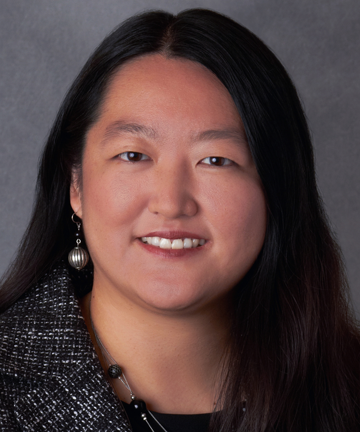
“We have all of the important services, laboratories, pharmacy and radiology — everything — at all of our medical centers,” said co-author Jennifer Marie Suga, MD, MPH, medical director of the Kaiser Permanente Oncology Clinical Trials Program and principal investigator of the Kaiser Permanente NCI Community Oncology Program (KP NCORP). “Patients do not have to travel for these services, they can access trials at the medical center they typically go to in their own community, which is critical for helping people enroll and stay in a clinical trial.”
The study also identified areas where KPNC could improve its cancer clinical trial enrollment. Non-English speakers accounted for 7.1% of patients in the cancer registry and 4.7% of trial enrollees, while the 17% of patients who lived in socioeconomically deprived neighborhoods accounted for 13.7% of enrollees. The study also found that large KPNC medical centers in more urban areas had enrollment rates that were slightly higher than smaller medical centers or centers in more suburban or rural areas.
“Ensuring all our members have access to clinical trials that test new cancer therapies and therapy regimens is important,” said Ragavan. “These trials offer new options that may be better than those currently available and may one day be the new standard of care.”
Increasing enrollment
The study found that, overall, 1.4% of the nearly 98,000 patients in the KPNC cancer registry were enrolled in a trial — a statistic that highlights the importance of the Oncology Clinical Trials Program’s ongoing efforts to increase enrollment.
“We need to find ways to make it easier for clinicians to have the time to sit down, review the open trials, and discuss them with patients,” said Ragavan. “And we need to acknowledge that it may take more time when seeing patients who may have language or health literacy barriers.”
Suga said that prior research shows about half of patients agree to a clinical trial when one is offered. “This tells us that if we can increase how often we offer clinical trial participation to patients, we can increase our enrollment.”
To help clinicians match patients to trials, KPNC medical sites are currently piloting a centralized prescreening program that uses the electronic medical record system to generate eligibility lists and automatically deliver them to physicians. The physician feedback they have received has been positive, the investigators said.
Prescreening will also help ensure providers and patients learn about clinical trials at the right time. “It’s a pretty narrow window,” said Ragavan. If it’s too early in the treatment process, she explained, the oncologist may forget about the trial by the time the patient is eligible. And if it’s too late, the patient may have already started a therapy that makes them ineligible for the study.
The researchers said they would use this study as a reference point for gauging the effectiveness of new approaches for increasing enrollment overall and among specific populations.
“We want to be able to put the resources where there’s going to be the most impact, so that we can achieve our goal of offering patients as many trials as possible,” Suga said.
The study was funded by the Kaiser Permanente Division of Research Cancer Research Section.
Additional co-authors were Suhita Kodali, BA, Shiyun Zhu, MPH, Sabrina Zhong, MS, Raymond Liu, MD, and Lawrence H. Kushi, ScD, of the Division of Research; and Desiree Goldstein, RN, MSN, administrative director of the Kaiser Permanente Oncology Clinical Trials Program; and Samantha Seaward, MD, associate medical director of the Kaiser Permanente Oncology Clinical Trials Program.
###
About the Kaiser Permanente Division of Research
The Kaiser Permanente Division of Research conducts, publishes, and disseminates epidemiologic and health services research to improve the health and medical care of Kaiser Permanente members and society at large. KPDOR seeks to understand the determinants of illness and well-being and to improve the quality and cost-effectiveness of health care. Currently, DOR’s 720-plus staff, including 73 research and staff scientists, are working on nearly 630 epidemiological and health services research projects. For more information, visit divisionofresearch.kp.org.






Comments (0)