


Kaiser Permanente study highlights potential for AI to help with earlier risk identification
Artificial intelligence (AI) models developed using information routinely entered into pregnant patients’ electronic health records may help identify patients in their first trimester who are at higher risk of experiencing certain pregnancy complications, new Kaiser Permanente research suggests. However, more research is needed to determine whether the earlier identification translates into improved clinical outcomes for pregnant patients and their babies.
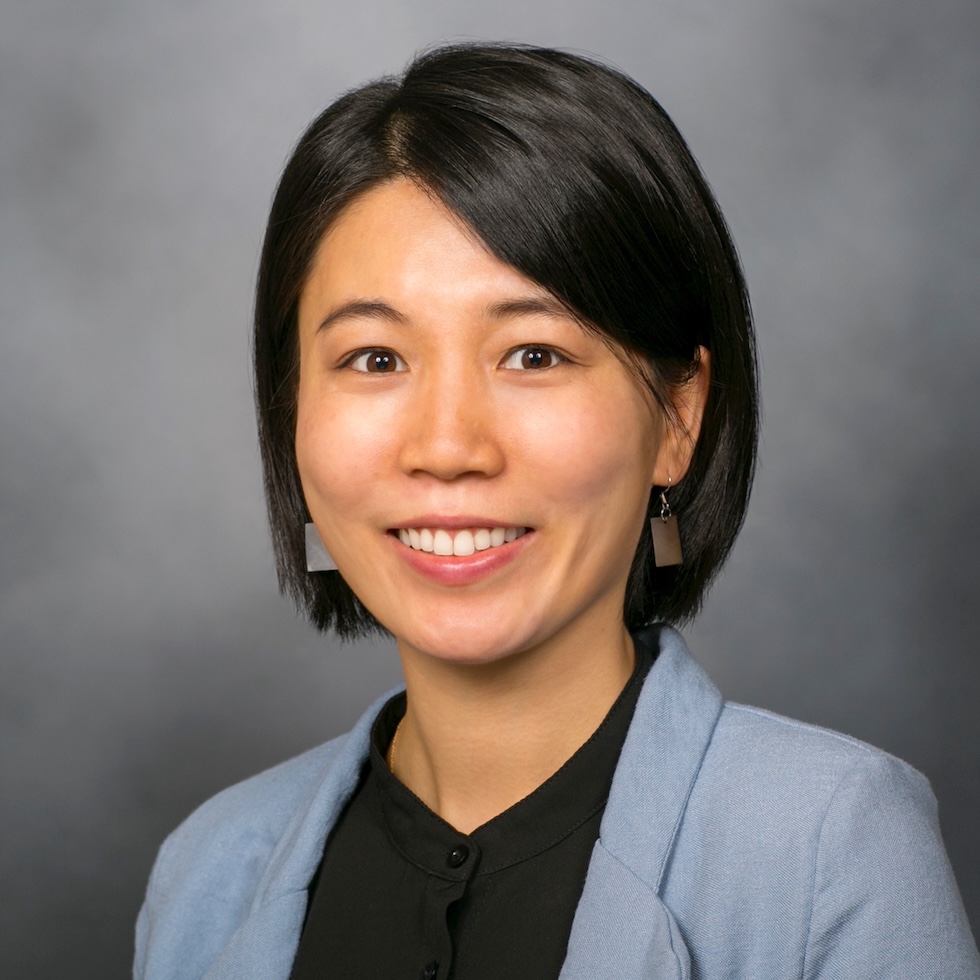
“Our study shows that we may be able to use information already collected during routine prenatal care to identify women at increased risk for certain pregnancy complications much earlier than they would typically be diagnosed,” said co-senior author Yeyi Zhu, PhD, a research scientist with the Kaiser Permanente Division of Research (DOR). “At the same time, we found important limitations in predicting adverse birth outcomes, underscoring that AI is not a one-size-fits-all solution for maternal and neonatal health.”
The study, published in Communications Health, used data from 442,760 pregnancies seen at Kaiser Permanente Northern California (KPNC) between 2011 and 2021. The researchers used information routinely collected and reported in the mother’s electronic health record to train machine learning models to predict risk for 7 pregnancy complications.
Three of the 7 complications studied— gestational diabetes, gestational hypertension, and preeclampsia — can occur during pregnancy. The other 4 complications — pre-term birth, stillbirth, placental abruption (when the placenta separates from the uterus), and small for gestational age birth — can occur before or at delivery.
The research team created a total of 49 AI models. This allowed the AI to be trained to predict each of the 7 pregnancy complications at 7 timepoints — every 6 weeks — during the pregnancy. The models were trained on 80% of the patient records and then tested on the remaining 20%.

The study found that the models showed promise for identifying patients at increased risk of gestational diabetes, gestational hypertension, and preeclampsia as early as 12 weeks of pregnancy. However, the at-birth complications — pre-term birth, stillbirth, placental abruption (when the placenta separates from the uterus), and small for gestational age birth — were more difficult to predict, even at 24 weeks of pregnancy. The researchers said this finding underscores the difficulty of using only electronic health record data to predict at-birth outcomes. Adding information to the model from ultrasound measurements or other tests, they said, might help improve the ability of AI to predict these types of complications.
“From a clinical perspective, knowing that a patient is at increased risk is most valuable when we have something we can offer to reduce that risk,” said co-author Mara Greenberg, MD, a maternal-fetal medicine specialist and director of the Kaiser Permanente Northern California Regional Perinatal Service Center. “We need to better understand how these prediction tools can complement our existing clinical assessments and inform decisions about preventive care, additional monitoring, or referrals to specialists without placing an unnecessary burden on patients or clinicians.”
Prediction across medical settings
Next, the research team tested the ability of the models to predict pregnancy complications on a data set of 6,105 pregnancies included in the All of Us Research Program, a nationwide study launched by the National Institutes of Health in 2018.
“The pregnant patients we studied at KPNC were diverse racially and ethnically, but they were all from Northern California and they were all treated within the same health system,” said Zhu. “We wanted to test the models with the All of Us data because these patients were not only racially and ethnically diverse, but were seen in many different types of health care settings throughout the U.S.”
The study found that the models generally performed less well when applied to the All of Us data than to the KPNC data.
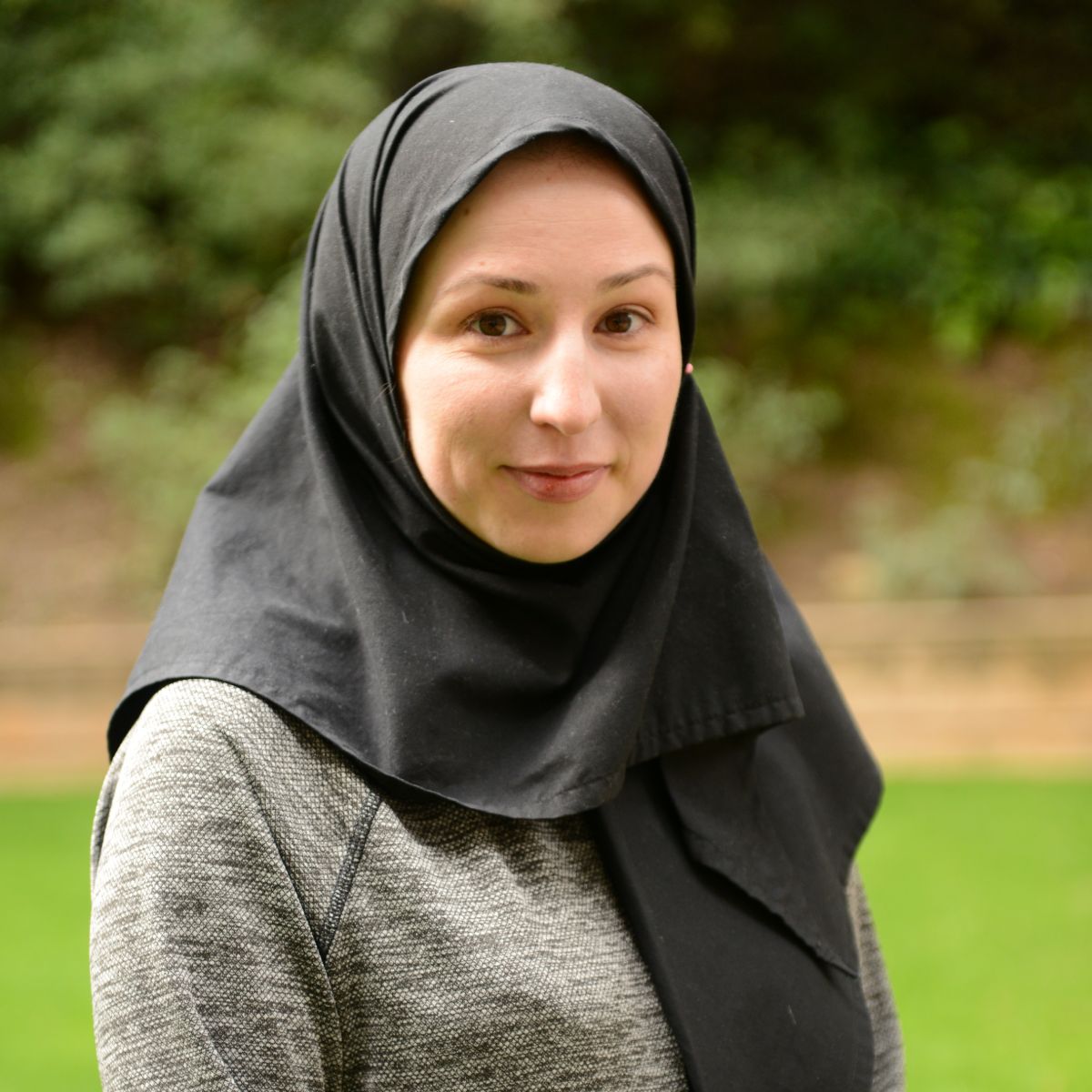
“We found that adapting the models using data from All of Us improved their predictive performance,” said co-senior author Marzyeh Ghassemi, PhD, an associate professor at the Massachusetts Institute of Technology (MIT) and a principal investigator with the MIT Jameel Clinic. “These findings highlight the importance of evaluating and adapting AI models before introducing them into different health care settings.”
The next step, the research team said, will be to study whether adding information such as ultrasound measurements, clinical notes, and other biomarkers improves the models’ predictive abilities. The team also wants to study whether using a predictive model in clinical practice improves maternal and infant outcomes.
“It’s one thing to show that AI has the potential to identify risks for certain pregnancy complications early enough to support prevention, using information already available in routine clinical care,” said Zhu. “It’s another to translate that information into meaningful changes in clinical practice. Ultimately, what matters is whether using these tools can improve health outcomes for pregnant patients and their babies.”
The study was supported by the National Heart, Lung, and Blood Institute and the National Science Foundation Graduate Research Fellowship Program.
Co-authors include Cassandra Parent and Charikleia Moraitaki from the Massachusetts Institute of Technology; and Amanda Ngo from the Division of Research.
###
About the Kaiser Permanente Division of Research
The Kaiser Permanente Division of Research conducts, publishes, and disseminates epidemiologic and health services research to improve the health and medical care of Kaiser Permanente members and society at large. KPDOR seeks to understand the determinants of illness and well-being and to improve the quality and cost-effectiveness of health care. Currently, DOR’s 720-plus staff, including 73 research and staff scientists, are working on nearly 630 epidemiological and health services research projects. For more information, visit divisionofresearch.kp.org.






Comments (0)