


Kaiser Permanente Genomic Oncology program hits 33,000-patient milestone
Over the past 20 years there has been a revolution in cancer care, especially for patients with advanced cancer. Chemotherapy that kills rapidly dividing cells — which includes cancer cells and many normal cells — used to be the only option to slow or stop the spread of cancer cells from the tumor site to other parts of the body. Today, more than 40% of the new cancer drugs approved for this use by the U.S. Food and Drug Administration are precision therapies that target a specific type of mutation in the patient’s tumor.
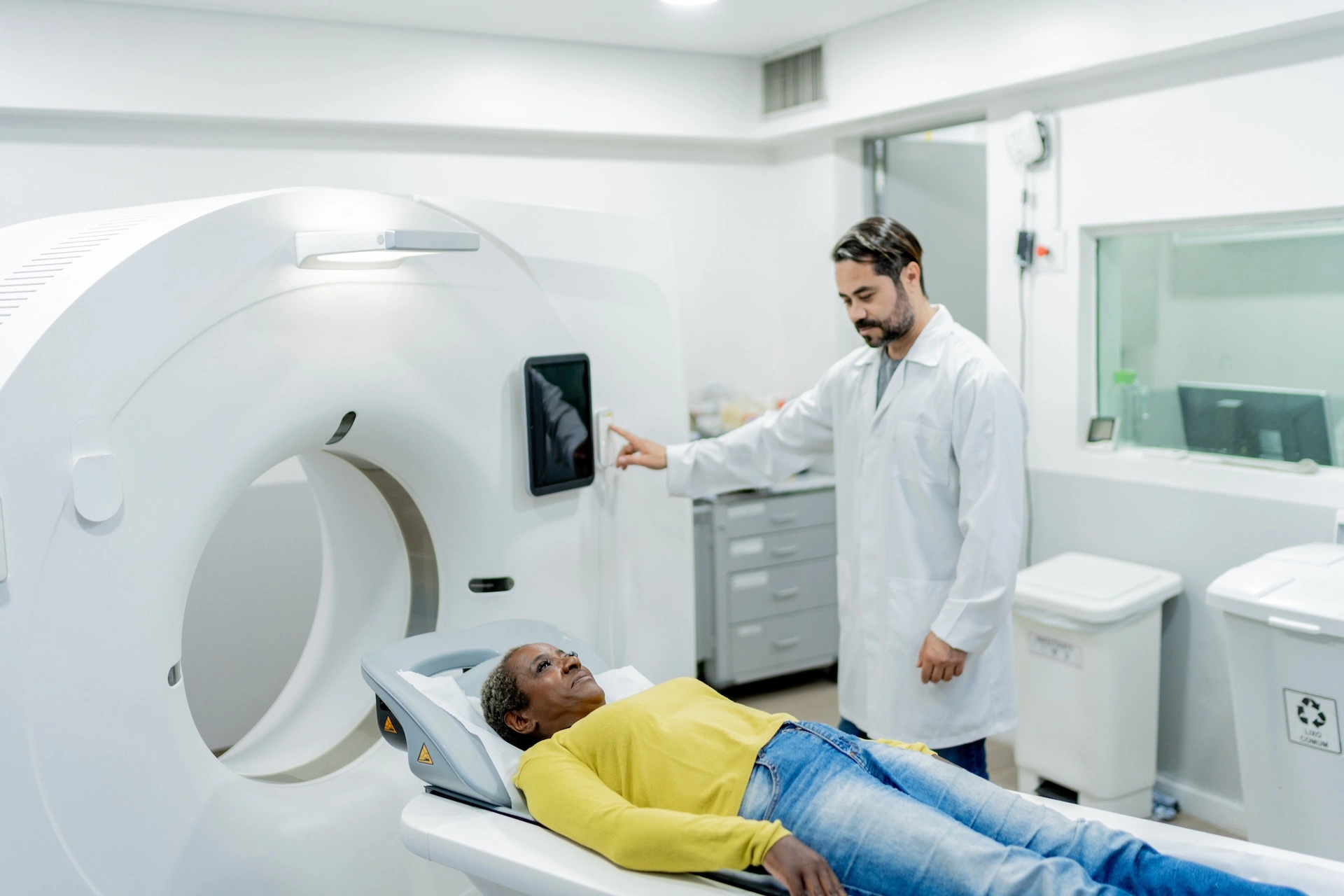
To identify patients likely to benefit from one of these targeted therapies, a piece of their tumor must be sent for genomic testing. Initially, it was only possible to test a tumor for one mutation at a time. But technological innovations eventually made it possible to simultaneously identify many mutations in a tumor’s genome. This led to the introduction of what’s now called next-generation sequencing (NGS), and the ability to identify and study an ever-growing number of cancer mutations and develop drugs that can target them.
In 2017, The Permanente Medical Group (TPMG) launched its NGS/Molecular Profiling Program for Precision Oncology, bringing the power of advanced genomics to cancer patients. Today, it is one of the largest known community-based precision oncology and genomic testing programs in the U.S.
“We were one of the pioneers in this area,” said Tatjana Kolevska, MD, a TPMG medical oncologist and the medical director for the Kaiser Permanente National Excellence in Cancer Care Program and National Virtual Cancer Center. “Our care model is always focused on the patient, and the genomic oncology program is incredibly important because treating patients with these targeted medications can improve outcomes and quality of life.”
Treatment options expand
Since 2017, more than 33,000 KPNC patients have had their tumor tested with NGS. Over time, the program has expanded from primarily testing patients with advanced cancers to also include patients with early-stage cancer.

“This program is vital for our patients,” said Sachdev P. Thomas, MD, regional clinical lead for Genomic Oncology, and a co-director of the NGS/Molecular Profiling Program. “Any patient whose physician requests the test will have their tumor tested. There is no pre-approval, and there is no authorization required. If the physician feels the test is appropriate, it can be ordered.”
When the program first started, about 40-50 cancer patients per month had tumor genomic testing. Today, about 550 patients’ tumors are tested each month, with most testing performed shortly after a patient’s initial diagnosis.
“We are testing so many more patients now because there are far more targeted treatment options available,” said Thomas. “As new targeted therapies are approved, and as more clinical trials evaluate new treatments, the importance of our program continues to grow.”
The KPNC Genomic Oncology Tumor Board reviews the results of every genomic test and provides personalized treatment recommendations, which may include participation in a clinical trial. A recent analysis of the program found that 21.7% of patients had a tumor with genomic alterations that could help guide treatment decisions. Another 14% had findings that could potentially qualify them for a clinical trial.
The studies we conduct have — and will continue to — shape the field of precision oncology.
— Lori Sakoda, PhD
If the test identifies a potentially inherited genetic mutation — the type of mutation that can be passed down from a parent to a child — the patient is referred to a genetic counselor. About 8% of patients whose tumors are tested are referred for genetic counseling to discuss potential inherited cancer risk.
Cancer clinical trials increase
With its precision oncology and genomic testing program, KPNC and TPMG have been able to increase the number and type of cancer clinical trials they can offer.

“Oncology clinical trials today are very different than what they used to be,” said Marie Suga, MD, MPH, medical director of the Kaiser Permanente Oncology Clinical Trials Program and a co-director of the NGS/Molecular Profiling Program. “In the past, you would be enrolled in a trial based on where your tumor started. Now, people with many different types of cancer may be enrolled in the same trial because they share the same type of mutations in their tumors.”
The program has made it possible for TPMG oncologists to enroll KPNC patients in some of the largest and most significant cancer clinical trials open to patients in the U.S. “Also, if we find that a patient has a specific mutation that qualifies them for a trial not currently at Kaiser Permanente, we can work on opening that trial here so that they can take part in it,” Suga said.
Research advances

The NGS/Molecular Profiling Program maintains a database that records NGS test orders and results, in close partnership with the Kaiser Permanente Division of Research (DOR). This database supports efforts to continuously improve patient care; it is also the starting point for many research studies.
Working with DOR investigators, TPMG clinicians have contributed to over 2 dozen genomic oncology studies published in medical journals or presented at national oncology meetings. These studies have addressed topics such as whether specific tumor mutations are tied to survival outcomes in non-small cell lung cancer, targeting the HER2 mutation in gastrointestinal tumors, the different types of mutations seen in patients with advanced soft tissue sarcoma, and how specific mutations impact colorectal cancer outcomes.
“Aggregating this genomic information enables us to study and track genomics-based outcomes in ways that many other cancer programs can’t, especially with a patient population as large and diverse as ours,” said Lori Sakoda, PhD, a DOR research scientist and a co-director of the NGS/Molecular Profiling Program. “The studies we conduct have — and will continue to — shape the field of precision oncology.”

As new targeted therapies continue to be developed, researchers and physicians expect the program to grow and develop — and create new research opportunities.
“The genomic oncology program is a great example of a successful collaboration between Kaiser Permanente’s clinical oncologists and researchers,” said DOR Research Scientist Laurel Habel, PhD, a former co-director of the NGS/Molecular Profiling Program. “By bringing together a range of expertise in cancer diagnosis, treatment, and clinical trials, along with database development and research, we have been able to improve care for all cancer patients.”
###
About the Kaiser Permanente Division of Research
The Kaiser Permanente Division of Research conducts, publishes, and disseminates epidemiologic and health services research to improve the health and medical care of Kaiser Permanente members and society at large. KPDOR seeks to understand the determinants of illness and well-being and to improve the quality and cost-effectiveness of health care. Currently, DOR’s 720-plus staff, including 73 research and staff scientists, are working on nearly 630 epidemiological and health services research projects. For more information, visit divisionofresearch.kp.org.





Comments (0)