

Kaiser Permanente 3-year study is one of the longest to study high-risk patients managing diabetes with continuous glucose monitors
Patients with poorly controlled type 2 diabetes who used continuous glucose monitors had rapid and lasting blood sugar improvement and less protein in their urine — an early indication of kidney improvement, a new Kaiser Permanente study found.

The research, published in JAMA Network Open, provides new information that can help high-risk patients with type 2 diabetes control their blood sugar. The findings may also help physicians determine whether to add a continuous glucose monitor to a patient’s diabetes treatment.
“Our study findings suggest that continued use of these monitors may extend the time before patients need to intensify their diabetes treatment as well as potentially delay the development of diabetic kidney disease,” said lead author Andrew Karter, PhD, a senior research scientist at the Kaiser Permanente Division of Research. “Continued monitor use may also help counter the gradual worsening of blood sugar control that often occurs over time with long-term use of medications used to treat diabetes.”
Measuring benefit
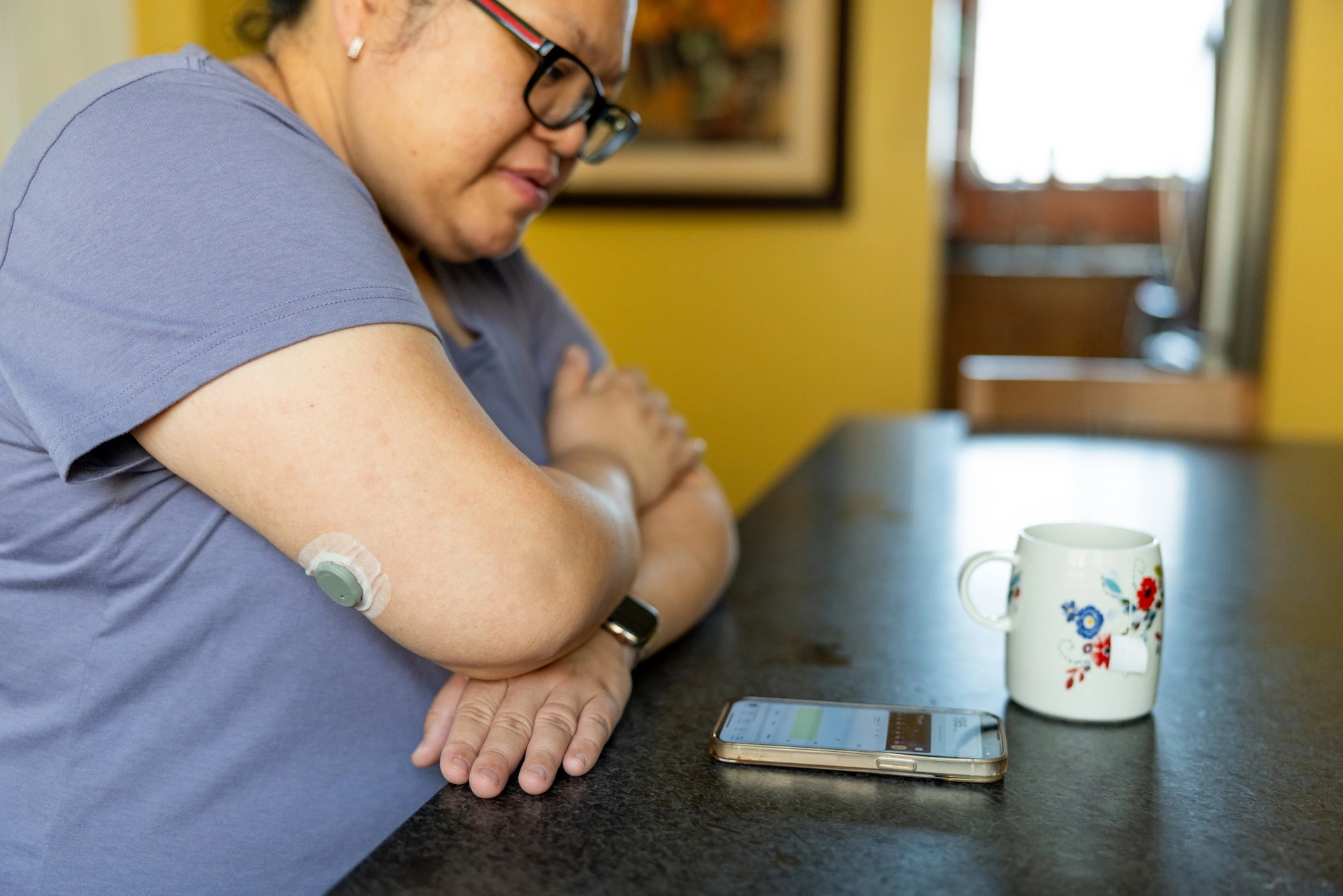
A continuous glucose monitor is a small medical device worn on the skin. The device’s sensor provides constant feedback on the user’s blood sugar levels. Currently, patients with type 2 diabetes who take insulin or have a history of experiencing dangerously low blood sugar are eligible for a monitor.
 The study included 25,648 patients in the Kaiser Permanente Northern California Diabetes Registry who had poorly controlled blood sugar or were seen in the emergency department or hospitalized for dangerously low blood sugar. Using a statistical method designed to emulate a randomized controlled trial, the researchers compared the 2,771 patients in the registry who started using a continuous glucose monitor with the patients in the registry who did not while controlling for important factors that may differ between the 2 groups.
To evaluate the impact of the monitors, the researchers used electronic medical records to compare the patients’ blood sugar and kidney health over 3 years. These tests included HbA1c, which indicates levels of blood sugar control over the prior 3 months; urine albumin to creatinine ratio, which measures the amount of protein the kidneys spill into the urine; and kidney function based on how well the kidneys are filtering waste and excess fluid from the blood.
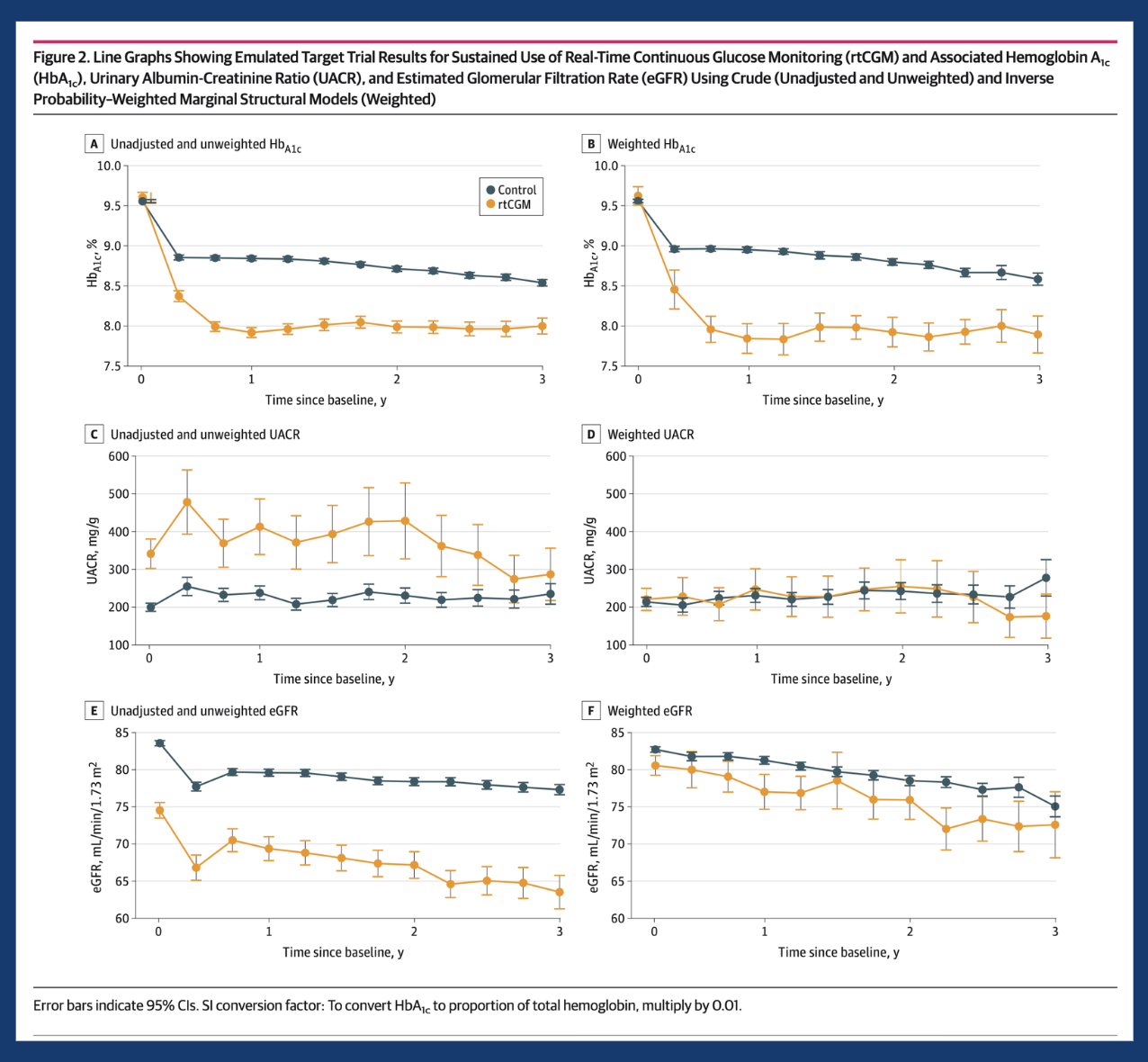
The study found that after 1 year, the patients who started using a monitor had a significant reduction in their HbA1c compared with those not using the monitors. The reduction in HbA1c was largely sustained over the 3 years the patients were studied.
By the end of the 3 years, the patients using the monitors also had a large reduction in the level of protein in their urine — an early indication that their kidneys were in better health — than patients not using the monitors. However, their kidney function test results did not show improvement.
About 30% of patients with type 2 diabetes eventually develop chronic kidney disease. Precisely how and why diabetes contributes to kidney disease isn’t entirely understood.
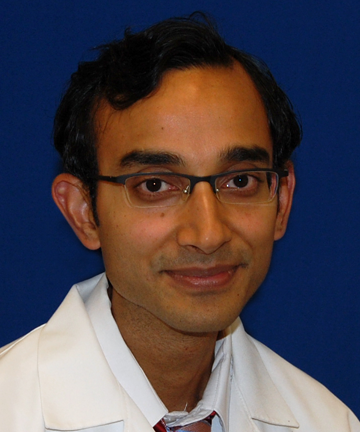
“Kidney function is the ultimate marker of kidney health, but reduction in urine protein is an accepted early marker for preserved kidney function and reduced kidney decline,” said senior author Ajit Mahapatra, MD, a nephrologist with The Permanente Medical Group, and clinical leader for the KPNC Diabetes Nephrology Workgroup, which oversees care of patients with diabetes and kidney disease. “With a longer study period, I think we may have also seen preservation of kidney function.”
Applying the findings

The research reinforces findings from prior studies showing that the improvement in glycemic control after a patient starts on a continuous glucose monitor is comparable to the benefit typically observed when starting an additional diabetes medication. However, continuous glucose monitors offer unique advantages, said co-author Lisa Gilliam, MD, PhD, a DOR adjunct investigator and practicing TPMG endocrinologist.
“If you start a patient on a diabetes medication without also providing a continuous glucose monitor, they have to manage their medication with minimal understanding of how their blood sugar changes,” Gilliam said. “But patients on a monitor get real-time feedback that can help them make more informed decisions about food, activity, insulin dosing, and other aspects of diabetes management.”
Whether the monitors should be offered to all individuals with type 2 diabetes is currently an open area of research.
Mahapatra noted that monitors could prove helpful for people with type 2 diabetes who have or are at high risk for developing cardiovascular-kidney-metabolic (CKM) syndrome, and may need additional care and monitoring for new or ongoing heart or kidney conditions.
“Our findings suggest that high-risk patients, particularly those who have diabetic kidney disease, might benefit from wearing a continuous glucose monitor, even if they’re not insulin dependent, to reduce their risk of cardiovascular complications,” Mahapatra said. “This would be another important area of research.”
The study was funded by Dexcom Inc., The Permanente Medical Group, the Kaiser Foundation Research Institute, the National Institute of Aging, and the National Institute of Diabetes and Digestive and Kidney Diseases.
Co-authors include Melissa M. Parker, MS, Holly Finertie, MPH, and Joshua Nugent, PhD, of the Division of Research.
###
About the Kaiser Permanente Division of Research
The Kaiser Permanente Division of Research conducts, publishes, and disseminates epidemiologic and health services research to improve the health and medical care of Kaiser Permanente members and society at large. KPDOR seeks to understand the determinants of illness and well-being and to improve the quality and cost-effectiveness of health care. Currently, DOR’s 720-plus staff, including 73 research and staff scientists, are working on nearly 630 epidemiological and health services research projects. For more information, visit divisionofresearch.kp.org.




Comments (0)