


Kaiser Permanente study supports reassessment of one-size-fits-all approach to diagnosis and management
Kaiser Permanente researchers have identified new subtypes of gestational diabetes that are associated with different outcomes for mothers and babies, including varying risk levels of postpartum diabetes and complications around the time of birth. They reported the findings in the journal Diabetes Care.

“Our study is the first to link different outcomes with specific gestational diabetes subtypes derived using machine learning methods,” said lead author Yeyi Zhu, PhD, a research scientist with the Kaiser Permanente Division of Research (DOR). “The findings could inform development of better strategies for risk assessment and personalized care.”
Gestational diabetes causes high blood sugar during pregnancy. It is associated with a higher risk of developing diabetes later in life and greater chances of certain complications, such as preeclampsia and preterm birth. People’s experiences with gestational diabetes can vary widely in terms of blood sugar levels, timing of diagnosis, and other factors — but how such variation relates to outcomes has been unclear.
“Current standard practice typically uses a one-size-fits-all approach to gestational diabetes, with most people being monitored and treated in very similar ways,” said senior author Assiamira Ferrara, MD, PhD, DOR senior research scientist who directs its Center for Upstream Prevention of Adiposity and Diabetes Mellitus. “However, we know gestational diabetes looks different in different people. A better understanding of these differences could be very powerful for prevention and care, potentially improving the health of mothers and their babies.”

The study involved electronic health record data of 37,544 Kaiser Permanente Northern California members diagnosed with gestational diabetes. To capture post-pregnancy outcomes, the research team analyzed up to 12 years of data for each patient.
Using an advanced machine learning approach, they searched for any notable associations between 45 types of clinical data that are routinely collected for pregnant patients and various outcomes. Such data included sociodemographic characteristics, pre-existing health conditions, and blood sugar metrics at the time of gestational diabetes diagnosis.
“Most prior research on gestational diabetes subtypes has relied on fairly intensive lab tests involving multiple blood draws over a few hours,” Zhu said. “Given the richness of data we now have in the era of machine learning, we wondered if we could avoid those types of measurements and instead discover subtypes using only data that is routinely collected for all patients.”
The analysis revealed that the patients clustered into 4 different groups, each representing a distinct subtype based on the 45 clinical metrics. Notably, each of these clusters was clearly associated with distinct outcomes. For instance, about 8% of the patients belonged to a cluster associated with particularly high risks of postpartum diabetes, severe outcomes for the mother related to labor and delivery, and cesarean delivery.
The largest cluster, containing 65.6% of the patients, was associated with the lowest risk of complications for mother and baby, as well as the lowest risk of postpartum diabetes. This group also contained 3 subclusters of patients, each associated with different risks of complications, but with similar rates of postpartum diabetes across the subclusters.
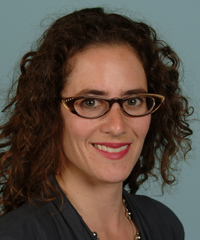
“Our findings emphasize the importance of revisiting the current blanket approach to gestational diabetes diagnosis and treatment,” Zhu said. “For instance, if a patient falls into the highest risk group based on their electronic health record, they could be more closely monitored and more strongly motivated to go through postpartum diabetes screening, so that it can be caught and managed sooner.”
There are actions a patient can take to reduce risk of future disease, said co-author Mara Greenberg, MD, a maternal/fetal medicine specialist with The Permanente Medical Group and DOR adjunct investigator. “When it comes to post-pregnancy lifetime health, there are proven strategies such as breastfeeding and lifestyle coaching and modifications that can reduce the risk of developing later-in-life diabetes and other cardiometabolic diseases,” Greenberg said.
However, Zhu noted that more research will be needed to determine how these findings could be translated into new approaches for screening and management, and if similar associations hold true for patient populations outside of the Kaiser Permanente Northern California network.
For now, she and her team are exploring whether the subtypes they identified could be further refined by incorporating additional data from patients.
“This paper is a great illustration of how we can use routinely available metrics to identify subgroups within a disease domain,” Zhu said. “That’s very meaningful because any new care protocols that eventually stem from these findings should be accessible for any pregnant Kaiser Permanente member, since they will be based on measurements we already take.”
The study was funded by the National Institutes of Health and the Kaiser Permanente Center for Upstream Prevention of Adiposity and Diabetes Mellitus.
Additional coauthors were Amanda Ngo, MPH, Lauren Liao, PhD, Ben Marafino, PhD, and Rana Chehab, PhD, MPH, RD, of the Division of Research; and Rachel Harvill, MPH, of the University of California, Berkeley.
###
About the Kaiser Permanente Division of Research
The Kaiser Permanente Division of Research conducts, publishes, and disseminates epidemiologic and health services research to improve the health and medical care of Kaiser Permanente members and society at large. KPDOR seeks to understand the determinants of illness and well-being and to improve the quality and cost-effectiveness of health care. Currently, DOR’s 720-plus staff, including 73 research and staff scientists, are working on nearly 630 epidemiological and health services research projects. For more information, visit divisionofresearch.kp.org.




Comments (0)