

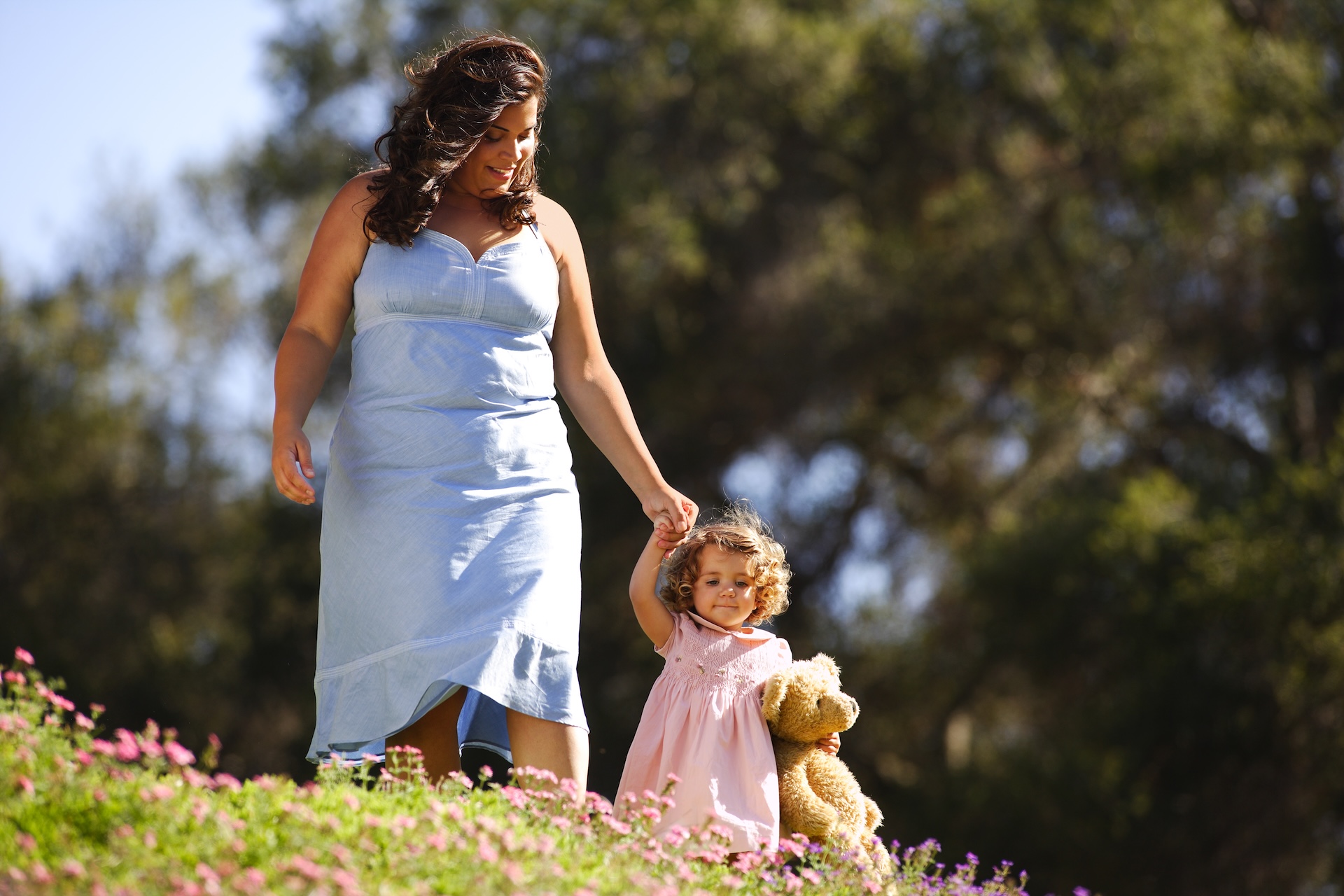
Kaiser Permanente study supports encouraging vaccination during pregnancy
Infants were more likely to receive a COVID-19 or flu vaccine in their first year of life if they were born to mothers who had gotten vaccinated themselves while pregnant, according to a Kaiser Permanente study in the journal Pediatrics.

“This is a positive link that we were happy to see,” said lead author Helena Archer, PhD, MPH, a research fellow in the Vaccine Study Center at the Kaiser Permanente Northern California Division of Research (DOR). “Encouraging vaccination during pregnancy might lead to more infant vaccinations, ensuring continued protection for babies in that crucial first year.”
COVID-19 and influenza can be especially dangerous for infants, who have high rates of hospitalization from these infections compared with adults. Vaccines for both are safe and effective for babies 6 months and older, but infant vaccination rates are low.
“We know that, in general, parents who are vaccinated are more likely to vaccinate their kids,” said senior author Ousseny Zerbo, PhD, a DOR research scientist. “But most of the research has focused on 2 year olds and older, and we don’t know as much about this relationship for younger babies.”
Infants under 6 months — too young for vaccination — can be protected against COVID-19 and influenza if their mothers received the COVID-19 and influenza vaccines while pregnant, Zerbo noted. “Around 6 months, that protection starts to wane, so we wondered, if a mother gets vaccinated during pregnancy, is there a higher chance that her infant will be vaccinated?”

To explore that question, the researchers analyzed electronic health record data for 82,533 infants born at Kaiser Permanente Northern California between August 2021 and March 2024, along with records for their mothers. They looked at the infants’ COVID-19 and flu vaccination rates in their first 13 months of life, as well as the mothers’ vaccination rates in the year before becoming pregnant, during pregnancy, and in the first 3 months after giving birth.
They found that infants were more likely to be vaccinated against COVID-19 or the flu in their first year of life if their mother had been vaccinated against the same disease in the year before, during, or shortly after pregnancy. For COVID-19, this relationship was especially strong among mothers who were vaccinated during pregnancy. For flu, this relationship was especially strong among mothers vaccinated either during or shortly after pregnancy.
“The bottom line is that a mom who got vaccinated during pregnancy was more likely to vaccinate her infant against the same disease,” Archer said. “This suggests a path forward where encouraging more pregnant women to get vaccinated could potentially improve infant vaccination rates.”
Infants born to mothers who did not get a flu vaccine during pregnancy still had a good chance of receiving a flu vaccine in their first year of life. However, the pattern was different for COVID-19; infants of mothers who were not vaccinated were less likely to be vaccinated for COVID-19.
The researchers also explored the relationship between maternal and infant vaccination for moms from different demographic or medical backgrounds. For instance, even though these vaccines are free for Kaiser Permanente members, infants of moms with non-subsidized health insurance were more likely to be vaccinated against COVID-19 than infants of moms with subsidized insurance, regardless of maternal vaccination.
“Differences like this tell us there is a complex set of factors associated with parents’ vaccination decisions for themselves and their babies,” Archer said. “It motivates me to continue to dig into the data and talk to people to better understand both barriers and positive factors related to vaccine coverage.”

“For clinicians, our findings support the importance of engaging with parents around vaccines, from the pre-pregnancy period through delivery,” said Nicola Klein, MD, PhD, coauthor of the study and director of the Kaiser Permanente Vaccine Study Center. “For pregnant mothers, vaccination is safe and beneficial for infants, and of course there are very important benefits to pregnant moms themselves.”
The researchers are now further exploring the relationship between maternal and infant vaccination. This work includes following moms who have more than one child as well as looking at whether maternal vaccination influences whether a child receives the Tdap vaccine — which protects against tetanus, diphtheria, and pertussis.
The study was funded by the National Institutes of Health.
Additional coauthors were Andrew Watson, MS, MA, Lauren Liao, PhD, Karen Jacobson, MD, MPH, John Hansen, MPH, Bruce Fireman, MA, and Maqdooda Merchant, MSc, MA, of DOR.
###
About the Kaiser Permanente Division of Research
The Kaiser Permanente Division of Research conducts, publishes, and disseminates epidemiologic and health services research to improve the health and medical care of Kaiser Permanente members and society at large. KPDOR seeks to understand the determinants of illness and well-being and to improve the quality and cost-effectiveness of health care. Currently, DOR’s 720-plus staff, including 73 research and staff scientists, are working on nearly 630 epidemiological and health services research projects. For more information, visit divisionofresearch.kp.org.



Comments (0)